Sliding door alignment problems show up gradually. You start noticing the door has to be pulled harder to latch. Then there's a gap at the bottom corner. Then you can feel a draft. Eventually the lock won't engage at all. The underlying cause is almost always that the door has settled in its frame, the rollers need height adjustment, or the strike plate is no longer where the latch expects it to be.
Alignment is one of the most rewarding repairs we do because it's quick, inexpensive, and immediately noticeable. Most cases take 30 to 45 minutes.
Three things we adjust
Sliding-door alignment isn't a single adjustment — it's three:
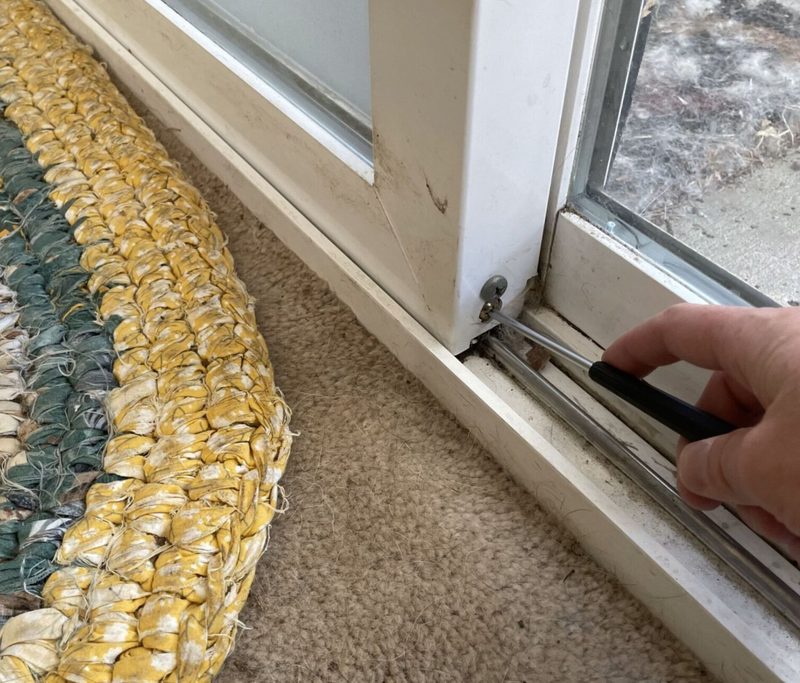
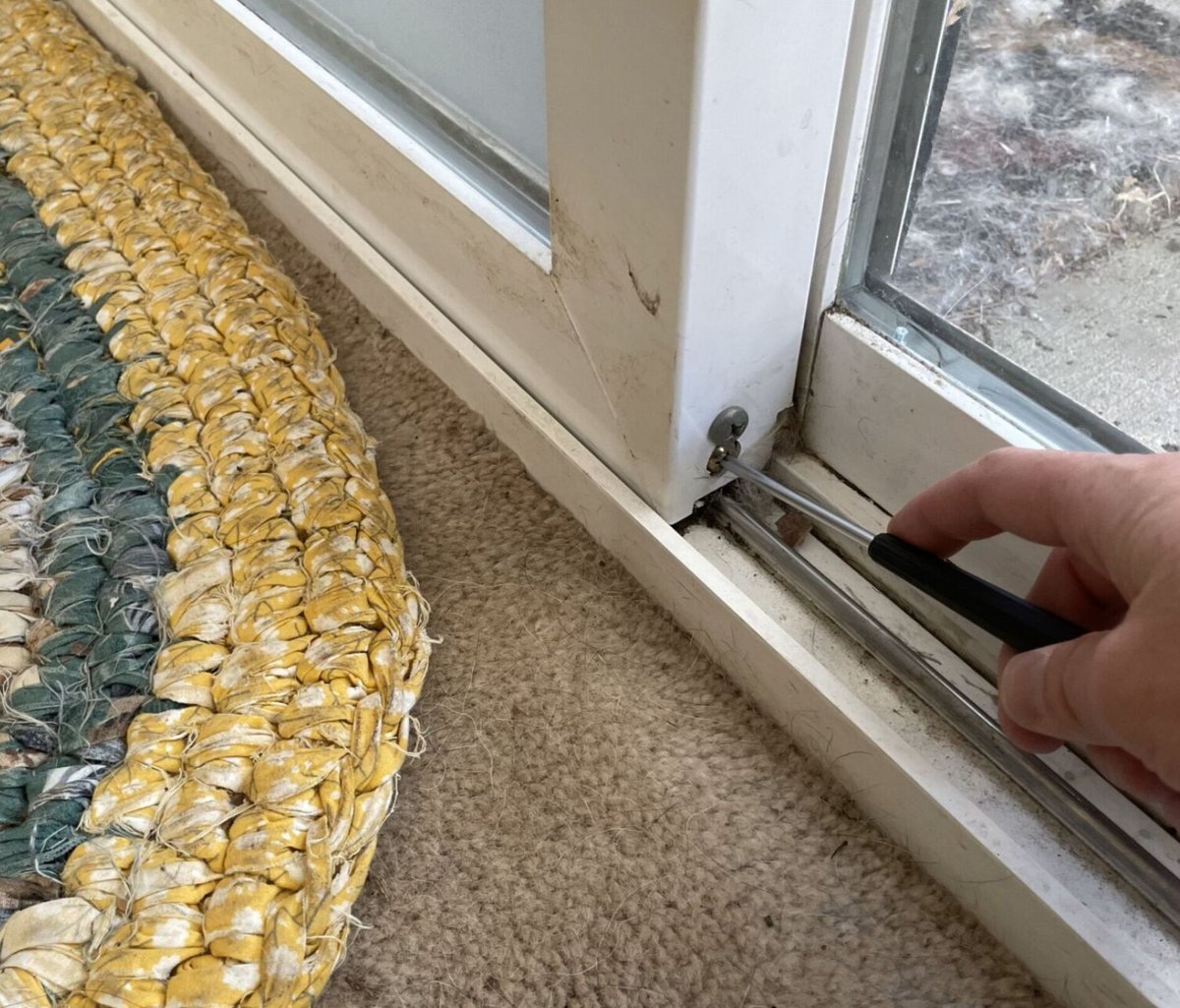
- Roller height. Almost every roller has a small adjustment screw at the bottom of the door. Turning it raises or lowers that corner of the panel. We adjust both rollers until the door is level and the bottom rail clears the track evenly.
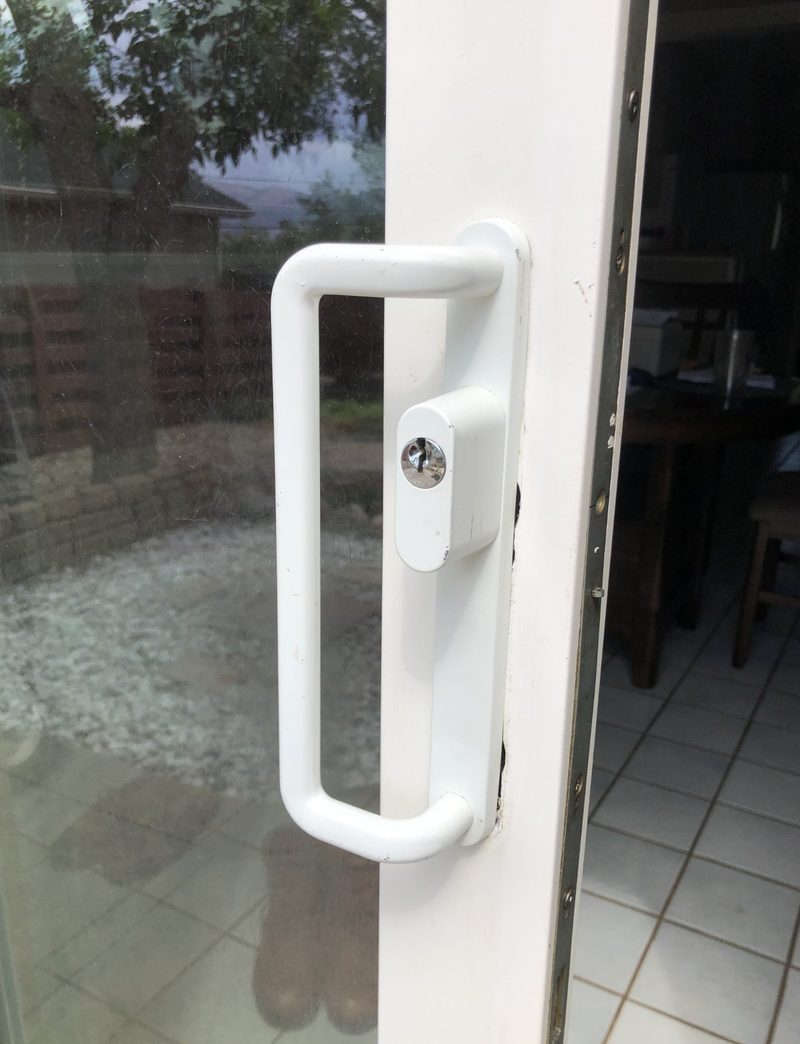
- Strike alignment. The strike plate (where the lock latches into the frame) can be moved up, down, in, or out by a few millimeters. We loosen its mounting screws, reposition it, and lock it in place.
- Door frame square. If the home itself has settled, the frame can become slightly out of square. We can shim the frame or add adjustable strikes that compensate.
When alignment isn't enough
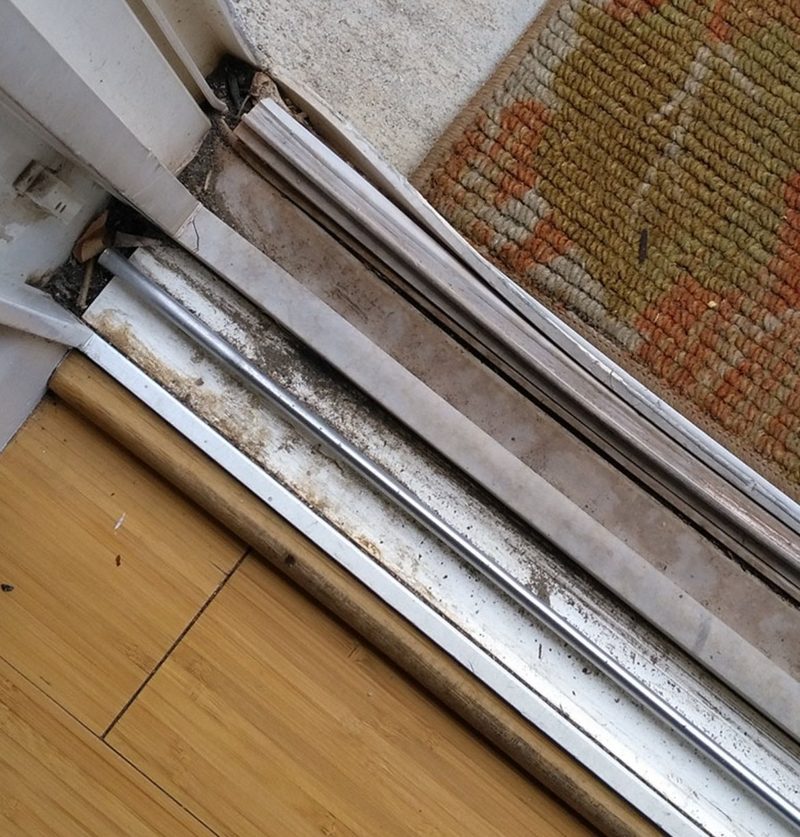
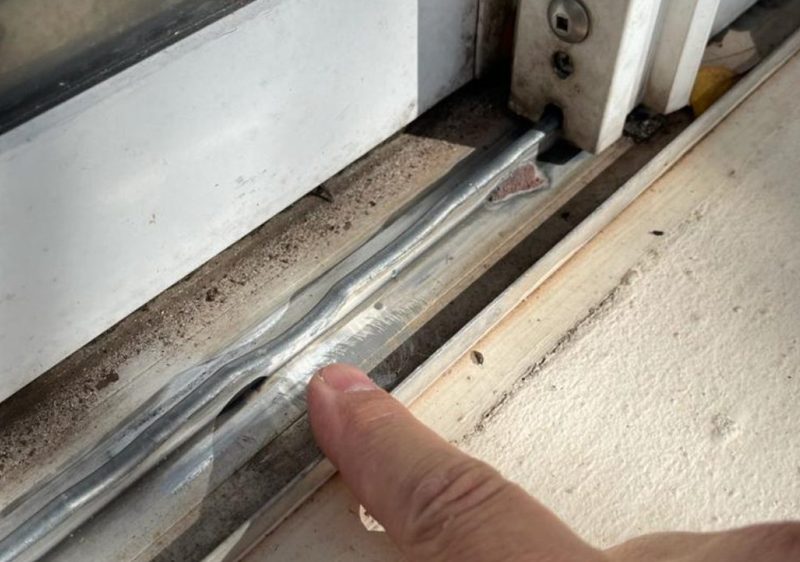
About 1 in 10 alignment calls turn out to be something else: rollers so worn they can't be adjusted up enough, tracks so bent the door rides unevenly, or frames that have settled badly enough that adjustments don't take. We diagnose the root cause first. If alignment will fix it, we adjust. If not, we explain what's actually needed and quote that work.
💡 Quick Tip from Our Techs
Before you call anyone, try this: look for a small Phillips-head screw at the bottom of the door panel, near each corner. Turn each one a few turns clockwise (one at a time, testing the door after each). About half the time, that's all it takes.